Halve fossil fuels within a decade to avoid catastrophic climate damage
Focusing on the global ambition needed, as well as the results for 15 indicative countries, Climate Analytics’ brief provides an initial look at what global/national roadmaps need to show to align with the latest science and strictly minimise the magnitude and duration of overshoot beyond the Paris Agreement’s 1.5°C limit.
Share
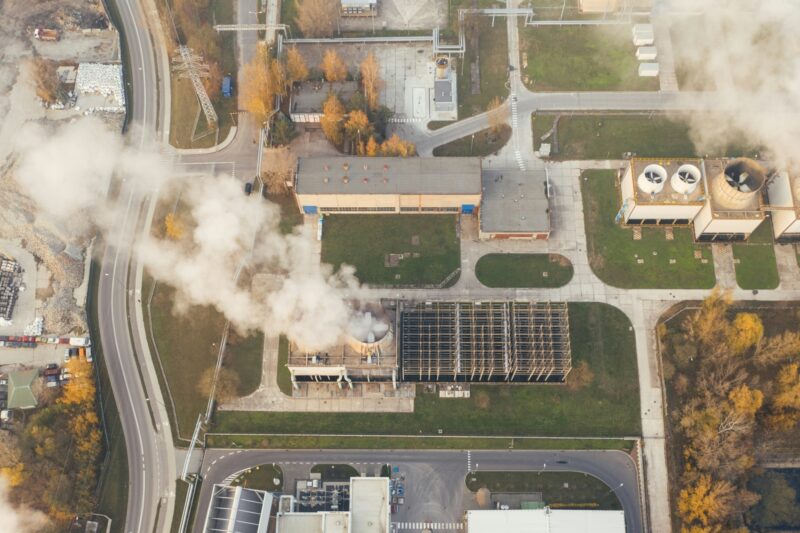
16 June 2026, BONN — Global fossil fuel use must halve by 2035 and be phased out by 2070 at the latest, if the world is to keep global warming below 1.5°C by the end of the century, according to new analysis from Climate Analytics released today at a press conference at the UN climate talks in Bonn.
The analysis, Highest possible ambition: science-aligned fossil fuel phase-out pathways, follows the first International Conference on Transitioning Away from Fossil Fuels (TAFF), held in Santa Marta, Colombia in April, where 57 countries agreed to develop roadmap's for the transition.
Focusing on the global ambition needed, as well as the results for 15 indicative countries, Climate Analytics’ brief provides an initial look at what global/national roadmaps need to show to align with the latest science and strictly minimise the magnitude and duration of overshoot beyond the Paris Agreement’s 1.5°C limit.
“Fossil fuels are still pouring oil on the climate fire. Our analysis is clear: we need to cut fossil fuel use sharply this decade, halve it by 2035, and drive it down to real zero by 2070,” said Dr Neil Grant, Senior Expert, Mitigation Pathways at Climate Analytics.
The brief builds on the Climate Analytics and Potsdam Institute for Climate Impact Research (PIK)’s Highest Possible Ambition scenario, which shows fossil fuel production and use peaking in 2025, falling 20% by 2030, 50% by 2035 and reaching zero globally by 2070.
Coal, gas and oil are effectively phased out globally by 2050, 2060 and 2070 respectively. A 20% cut in fossil fuels by 2030 would require production and use to fall at 4-5% per year from now on.
It finds that oil and gas demand declines fast enough in a Paris-aligned transition to avoid the need for new oil and gas fields. Existing and already approved fields are more than sufficient to meet demand as the world phases down fossil fuel use.
“New oil and gas fields are incompatible with any credible transition away from fossil fuels. Gas use needs to be reduced rapidly in the short term to half of 2023 levels by 2035. And yet governments and fossil fuel companies continue to pour billions into expanding production, particularly of fossil gas. This is a fast-track pathway to climate chaos”, said Bill Hare, CEO at Climate Analytics.
“If we slow the phase-out, we are left with two dangerous options: rely even more heavily on carbon removal and carbon capture technologies that are limited and uncertain, or accept higher levels of temperature overshoot and climate damage. The safer route is a rapid, planned phase-out of fossil fuels, powered by clean electrification.”
Electrification is a central enabler of the transition. The brief shows that clean electricity can replace fossil fuels across power, transport, buildings and industry, with renewable electricity becoming the cornerstone of a fossil-free energy system. By 2050, electricity provides almost two-thirds of energy demand.
The brief warns that credible national transitions must minimise use of carbon capture and storage (CCS). Because storage potential is limited — and much of it will be needed for removals to help reduce temperatures after overshoot — “real zero”, the full elimination of fossil fuel use, should be the goal in the energy system, rather than “net zero”.
At the national level, the analysis shows advanced economies taking the lead, cutting fossil fuel demand immediately and reaching fossil-free economies by 2050. Middle-income and lower-income countries follow different pathways based on national circumstances, but all countries see fossil fuel demand peak by 2030 at the latest and reach fossil fuel phase-out by 2070 in line with the global transition.
The brief stresses that national roadmaps should go beyond setting phase-out dates. To support implementation, they should address fossil fuel subsidy reform, economic diversification, just transition measures for workers and communities, access to low-cost transition finance, participatory governance, and cooperation between fossil fuel producers and consumers.
From the brief
- Fossil fuel production and use accounted for 70% of global emissions in 2023, making the transition away from fossil fuels the most significant lever for cutting emissions at pace and scale.
- In the Highest Possible Ambition scenario, global fossil fuel production and use peaks in 2025, falls 20% by 2030, 50% by 2035, and reaches zero by 2070.
- Coal, gas and oil are effectively phased out globally by 2050, 2060 and 2070 respectively.
- Existing and already approved oil and gas fields are more than sufficient to meet demand in a Paris-aligned transition; the brief finds no need for new oil and gas fields under the HPA scenario.
- In the HPA scenario, global CO₂ emissions reach net zero around 2045, net zero GHGs around 2060, temperatures peak at 1.7°C, and then fall to well below 1.5°C before 2100.
- Electrification is a key driver of fossil phase-out. By 2050, clean electricity provides 65% of total energy demand in the HPA scenario.
- Advanced economies lead the transition away from fossil fuels, achieving a full fossil phase-out by 2050.
- While emerging and developing economies transition more slowly, all countries achieve a full fossil phase-out by 2070 in line with the global transition.
Resources
Highest possible ambition: science-aligned fossil fuel phase-out pathways
View webcast
Contact:
Richard Black
Head of Communications, Climate Analytics
richard.black@climateanalytics.org
+49 155 66851087
(Time zone: CEST, Berlin)
Catharine Tunnacliffe
Senior Climate Communications Manager, Climate Analytics
catharine.tunnacliffe@climateanalytics.org
+1 647 624 5279
(Time zone: EDT, Toronto)
Press Releases





Rapid methane cuts can still help rescue 1.5°C – governments must build on growing momentum
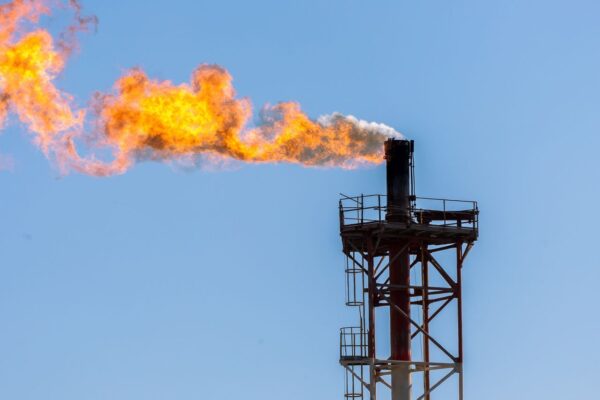
Action on cutting emissions has been lagging behind for years. Despite commitments to the Global Methane Pledge, the Global Methane Status Report shows that action on methane has been sluggish against earlier forecasts.

Little change in warming outlook now for four years; new 2035 climate targets make no difference
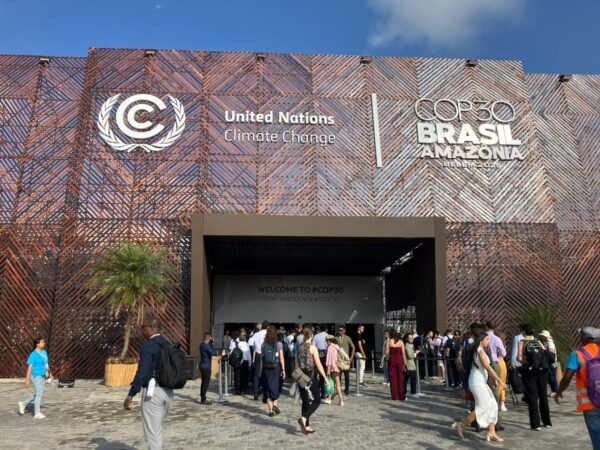
Ten years after the Paris Agreement, the world stands at a critical juncture in the fight against climate change, with little to no measurable progress in warming projections - for the fourth consecutive year, said the Climate Action Tracker in its global update, released at the climate talks in Belém, Brazil, today.