Why Journalism Matters in the Caribbean's Energy Transition
Dizzanne Billy
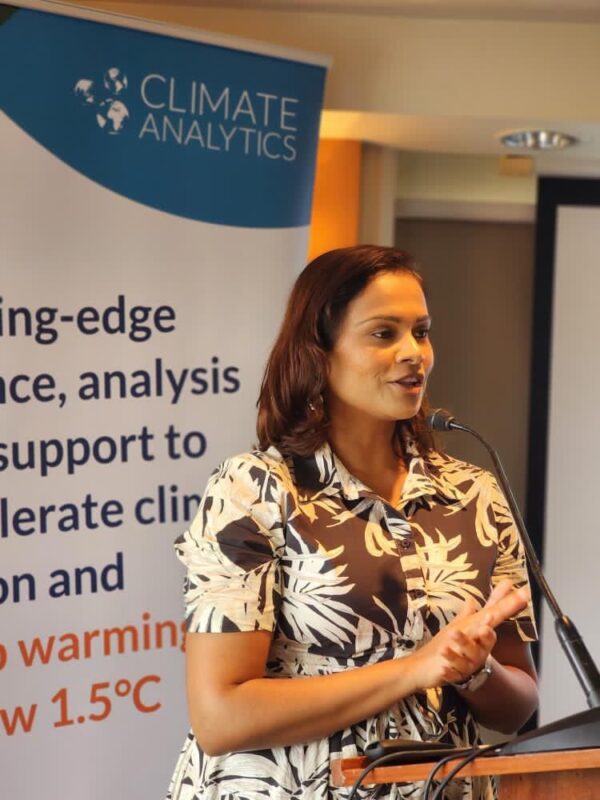
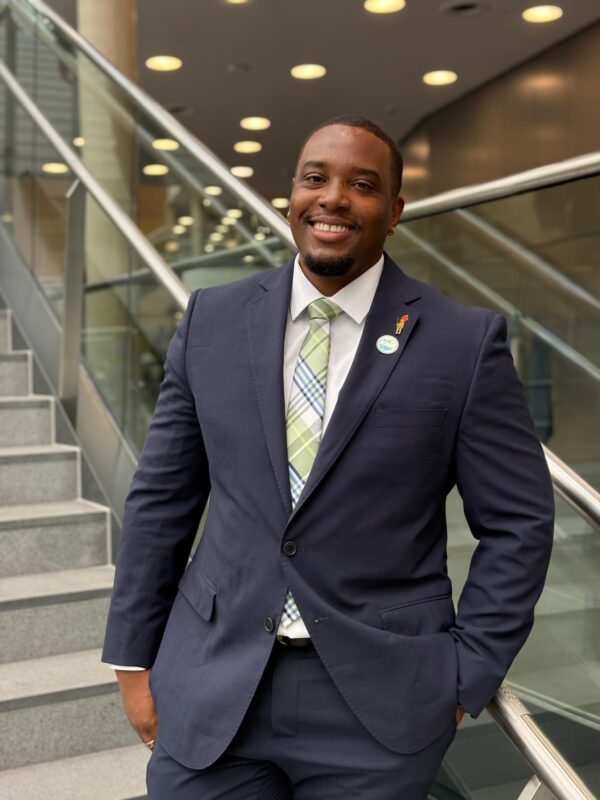
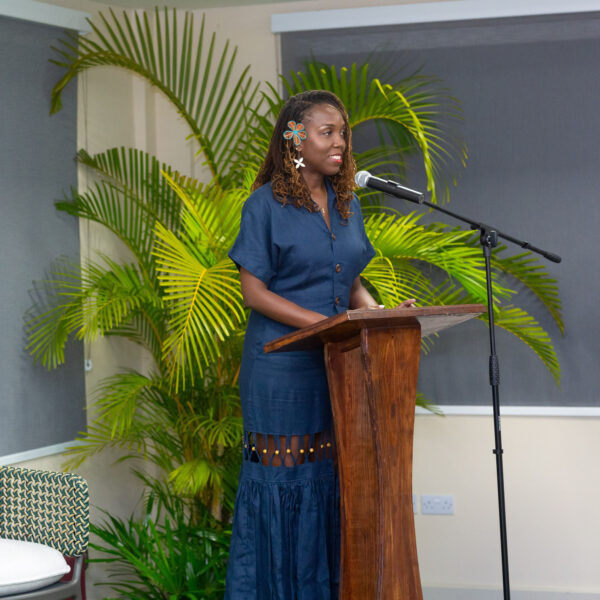
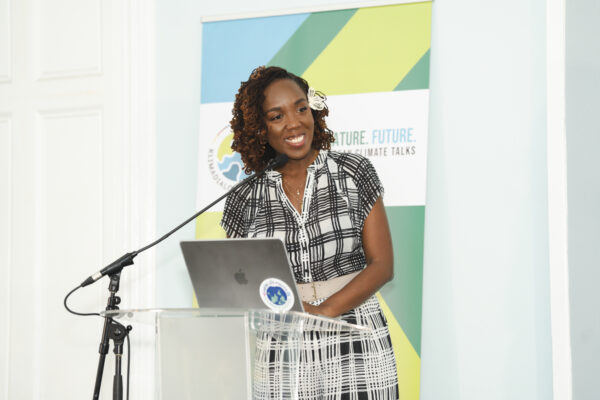
Climate Analytics Caribbean's has partnered with key climate change figures to amplify knowledge on the region's evolution to cleaner, green economies. One of our Green Energy Champions is Dizzanne Billy, Caribbean Regional Director for Climate Tracker.
Explore her insights on why media must be supported to empower a more resilient region.
Share

The Caribbean's renewable energy future will not be shaped by policy alone. It will also be shaped by the stories people hear, the questions journalists ask, and the evidence that reaches decision-makers and communities alike.
Over the past few years, I have had the privilege of supporting dozens of Caribbean journalists through Climate Tracker Caribbean's fellowships, workshops and mentorship programmes. Together, we've worked to strengthen reporting on the region's energy transition - from solar and wind development to grid modernisation, energy justice, financing, and the opportunities presented by a low-carbon future.
One lesson has become increasingly clear: technical reports and policy recommendations are only as powerful as our ability to communicate them in ways that resonate with people.
Climate Analytics Caribbean's Pathways to Implementing GST Recommendations in the Caribbean reinforces this reality. The report demonstrates that the Caribbean has more than enough renewable energy potential to meet the Global Stocktake's call to triple renewable energy capacity and double energy efficiency improvements by 2030. The real challenge lies not in the availability of resources, but in aligning policy, institutions, and finance to turn that potential into action.
This is where journalism has an essential role to play.
When journalists explain why electricity prices remain volatile, investigate barriers to renewable energy deployment, highlight successful community projects, or hold leaders accountable for implementing national energy commitments, they help bridge the gap between policy and public understanding. They transform complex climate and energy discussions into conversations that people can relate to and act upon.
Throughout our training programmes, we've encouraged journalists to move beyond reporting announcements and instead explore how the energy transition affects livelihoods, health, jobs, resilience, and economic opportunity. These human-centred stories help audiences see renewable energy not simply as a climate solution, but as a pathway to stronger, more secure Caribbean communities.
As the report notes, delivering on the Global Stocktake requires coordinated regional action, stronger institutions, and sustained political commitment. Achieving that ambition also requires an informed public that understands why the transition matters and demands progress.
Supporting journalists to tell these stories has shown me that communication is not a supporting activity in the energy transition - it is an enabling one. Every accurate, accessible, and solutions-focused story contributes to building public confidence, strengthening accountability, and accelerating the Caribbean's journey toward a more resilient, renewable energy future.
- Green Energy Champion Dizzanne Billy, Caribbean Regional Director for Climate Tracker