Active
CLOSER (Closing the Loop: Attribution of Complex Climate Disasters to Climatic and to Policy Changes)
Contacts
Project lead (CA): Dr Benjamin Komna Djabare

Partners
STICHTING VU (VU), Netherlands [Lead]
Share



Climate-related extremes such as floods, heatwaves, droughts are becoming more frequent and severe in many regions. They results from the interaction between climatic and non-climatic factors, including land-use decisions, exposure, socio-economic conditions and policy choices.
'CLOSER' – Closing the Loop: Attribution of Complex Climate Disasters to Climatic and to Policy Changes develops an integrated approach that links event attribution, forecasting and impact assessment. By separating the share of a disaster due to climate change from the share due to human decisions, the project will provide decision-makers robust evidence to anticipate extreme events, prepare for them and reduce risk in the coming decades.
Connecting climate science with the realities of disasters
Closer will advance the science of climate event attribution by looking beyond the question of whether climate change influences extreme events. The project is structured around several complementary pillars, each addressing a distinct dimension of climate disaster impacts — from co-creating innovations and modelling impacts to attributing disasters and understanding the role of policies. Climate Analytics contributes across these different pillars, helping coordinate the links between the various strands of work and ensuring coherence between impact assessment, attribution and policy perspectives.
At the heart of the project is the development of an Attribution and Forecasting Tool that will help trace the multiple drivers contributing to extreme events.
This tool will provide an evidence base for understanding how climate-related risks develop and how impacts vary across different contexts.
Climate Analytics contributes across several areas of CLOSER, including the development of case applications, climate impact modelling and assessment, attribution of disaster impacts to climate drivers and non-climatic drivers , and analysis of the role of policies in shaping climate- related risks.
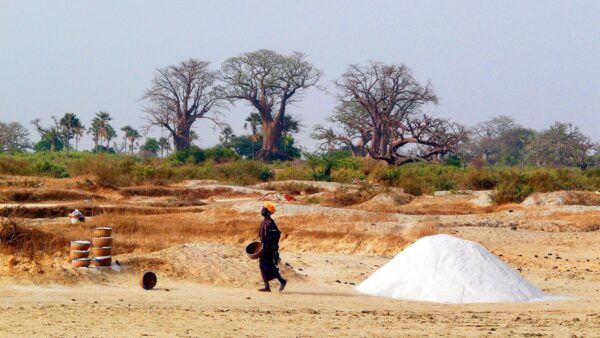
A focus on floods and heatwaves in Senegal
CLOSER will work across six case applications spanning four continents, bringing researchers and key stakeholders on the ground. The co-creation process, brings together relevant actors, including emergency responders, climate service providers, adaptation planners, representatives of affected economic sectors, and intergovernmental organisations.
Climate Analytics Africa office will lead the Senegal Case Application, focusing on floods and heatwaves. This will examine how climatic drivers interact with non-climatic factors including land-cover change, deforestation, rapid urbanisation, urban air pollution and early- warning systems to shape disaster risks and impacts in Senegal.
The Senegal case study will explore how climatic drivers interact with other factors to shape disaster risk and impacts. It will bring together scientific analysis, impact assessment and stakeholder perspectives to support the development of decision-making approaches that are relevant to national contexts.
Policy Analysis: Building the Evidence for Action
Climate Analytics will also be leading a global and case application policy analysis that will culminate in a policy knowledge foundation. The analysis will cover policies on adaptation and disaster risk reduction and focus on sectors such as health, agriculture and water. The policy knowledge foundation output from this analysis will be the basis for stakeholder consultations and a forensic analysis to be conducted by other consortium members.
Through its integrated approach, CLOSER seeks to move from understanding the causes and impacts of complex climate disasters towards providing evidence and tools that can support better preparedness, adaptation and long -term decision- making.