Actif
CLOSER (Closing the Loop: Attribution of Complex Climate Disasters to Climatic and to Policy Changes)
Contacts
Project lead (CA): Dr Benjamin Komna Djabare

Partners
STICHTING VU (VU), Netherlands [Lead]
STICHTING INTERNATIONAL RED CROSS RED CRESCENT CENTRE ON CLIMATE CHANGE AND DISASTER PREPAREDNESS (RCCC), Netherlands
UPPSALA UNIVERSITET (UUP), Sweden
CENTRE NATIONAL DE LA RECHERCHE SCIENTIFIQUE CNRS (CNRS-IPSL), France
ECOLE NATIONALE DES PONTS ET CHAUSSEES (ENPC), France
UNITED NATIONS EDUCATIONAL SCIENTIFIC AND CULTURAL ORGANIZATION (UNESCO-ICTP), France
UNIVERSITY COLLEGE LONDON (UCL), United Kingdom
CLIMATE ANALYTICS gGmbH (CA), Germany
FONDAZIONE CENTRO EURO-MEDITERRANEOSUI CAMBIAMENTI CLIMATICI (CMCC), Italy
STOWARZYSZENIE CENTRUM ROZWIAZAN SYSTEMOWYCH (CRS), Poland
UNIVERSITAET BERN (UBERN), Switzerland
THE UNIVERSITY OF EDINBURGH (UEDIN), United Kingdom
UNIVERSITAET LEIPZIG (ULEIP), Germany
Partager



CLOSER: CLOSING THE LOOP
Understanding the multiple drivers of climate disasters to better reduce risk.
Climate-related extremes such as floods, heatwaves, droughts are becoming more frequent and severe in many regions. They emerge from the interaction of climatic and non-climatic factors, including land-use decisions, exposure, socio-economic conditions and policy choices.
The project ‘CLOSER’ – Closing the Loop: Attribution of Complex Climate Disasters to Climatic and to Policy Changes aims to advance our understanding of these complex interactions and provide decision-makers with better evidence to anticipate, prepare for and reduce climate-related risks. It captures not only climatic factors, but also drivers such as land-use change, groundwater depletion, changes in exposure and social vulnerability.
Connecting climate science with the realities of disasters
Closer will advance the science of climate event attribution by looking beyond the question of whether climate change influences extreme events. The project is structured around several complementary pillars, each addressing a distinct dimension of climate disaster impacts — from co-creating innovations and modelling impacts to attributing disasters and understanding the role of policies. Climate Analytics contributes across these different pillars, helping coordinate the links between the various strands of work and ensuring coherence between impact assessment, attribution and policy perspectives.
At the heart of the project is the development of a new Protocol for Expanded Attribution and Forecast that will help trace the multiple drivers contributing to extreme events influenced by climate change.
The project will also develop a global knowledge base bringing together harmonised information on hazards, exposure, vulnerability, impacts and their drivers. Together, these tools will support evidence base for understanding how climate-related risks develop and how impacts vary across different contexts.
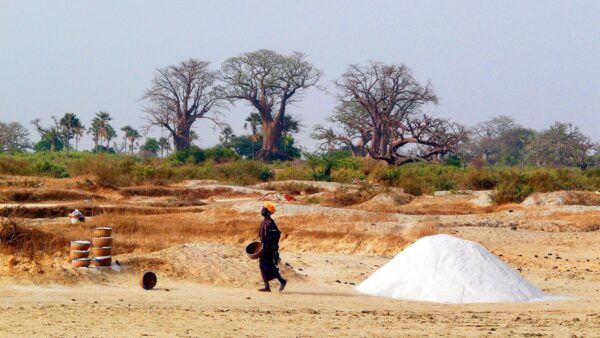
A focus on floods and heatwaves across the African continent
CLOSER will work across six case applications spanning four continents, bringing researchers and key stakeholders together through a co-creation process, including emergency responders, climate service providers, adaptation planners, representatives of affected economic sectors, and intergovernmental and legal organisations.
Climate Analytics will lead the work in Senegal, focusing on floods and heatwaves. Climate Analytics Africa will also contribute to work in other African countries, extending the project’s case applications and analysis in different settings across Africa.
The Senegal case study will explore how climatic drivers interact with other factors to shape disaster risk and impacts. It will bring together scientific analysis, impact assessment and stakeholder perspectives to support the development of decision-making approaches that are relevant to national contexts.
From attribution to action
Climate Analytics will contribute across several areas of the project, including the development of case applications, climate impact modelling and assessment, attribution of disaster impacts to climate drivers and analysis of policies shaping climate- related risks.
Within the consortium, the Euro-Mediterranean Center on Climate Change (CMCC) contributes expertise in AI-based climate impact modelling and the attribution of climate disaster impacts to multiple causes. Its work will support the assessment of extreme- weather impacts across different scales and explore how these impacts may evolve under future climate and socio- economic scenarios.