Loss and damage financing and debt sustainability: advancing justice and equity in the Caribbean
Authors
Preeya Mohan, Sasha Jattansingh
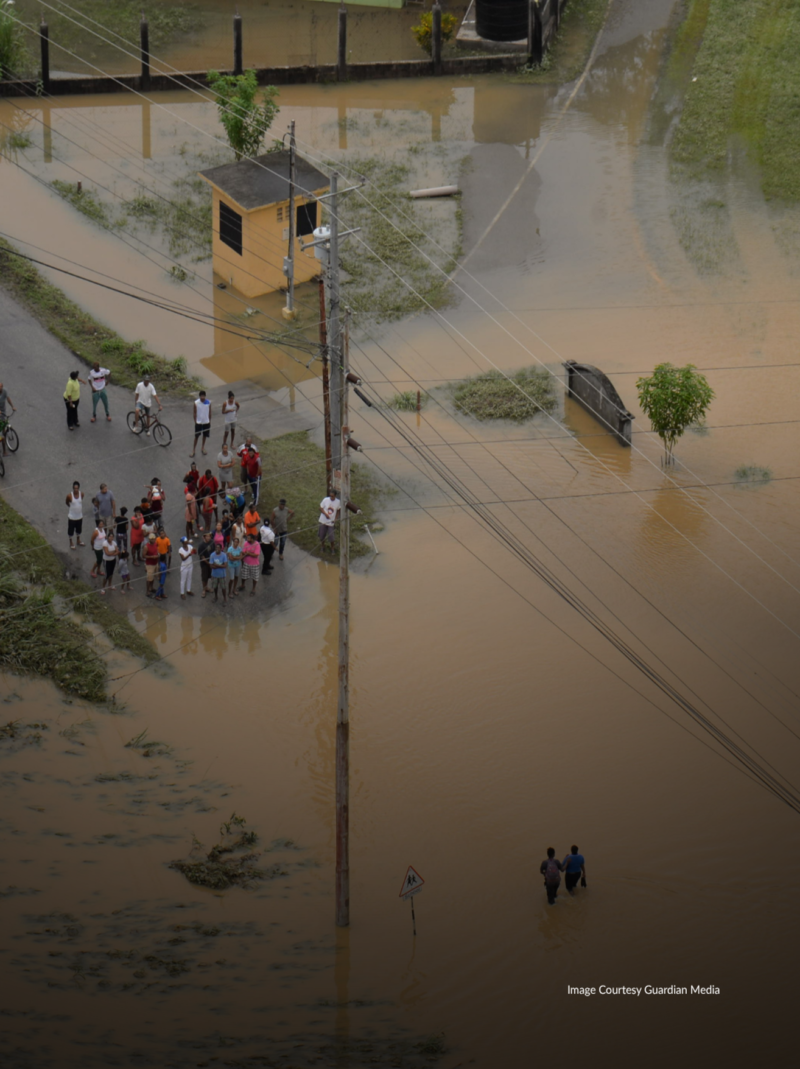
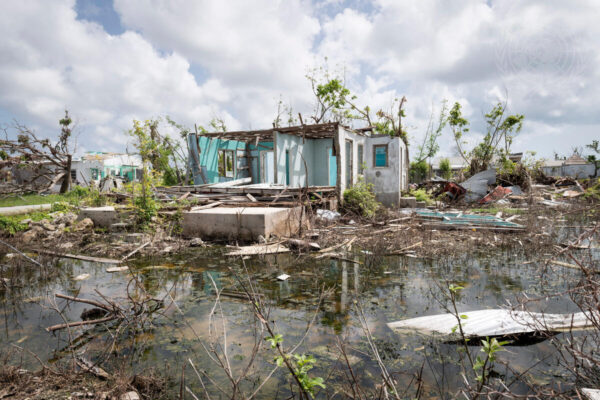
Caribbean small island developing states (SIDS) bear little responsibility for causing the climate crisis but are among those most at risk from its impacts. Repeated economic setbacks from one extreme weather event after another are pushing these already highly indebted nations into a downward debt spiral.
This report highlights the cyclical relationship between climate-induced loss and damage and growing fiscal debt levels in Caribbean SIDS. Climate disasters force these countries to borrow to fund emergency responses. This further drives up their fiscal debt, which in turn hampers their ability to invest in climate adaptation, resilience building, and long-term development.
A key challenge concerns the ability of Caribbean SIDS to accurately quantify loss and damage, especially non-economic losses, such as the loss of cultural heritage or mental health impacts. Current methodologies are often insufficient, and there are substantial data gaps that hinder effective policy and financial responses.
Innovative financial solutions, such as debt-for-climate swaps, catastrophe bonds, and parametric insurance, can provide rapid financial relief without exacerbating debt burdens, offering a more sustainable path towards recovery and resilience building.
Local communities and civil society organisations should also play an important role in designing, implementing, and overseeing loss and damage funds. Empowering vulnerable groups through participatory governance approaches is essential to ensuring that funds are used effectively and equitably.
Crucially, financial mechanisms must be based on principles of climate justice and should not exacerbate the region’s debt burden. Financial support should prioritise the needs of the most vulnerable in society and be just, equitable, accessible, and inclusive, particularly for marginalised groups and communities.
To address the interconnected debt and climate crisis, the region needs better access both to data on loss and damage and innovative finance. By sharing knowledge, pooling resources, and jointly applying for international climate finance, Caribbean SIDS can work together to address many of these challenges.
For Caribbean SIDS to break the cycle of debt and climate vulnerability, the global community must come together to progress much needed reform of the international financial architecture, support regional collaboration, ensure that climate injustices and multidimensional inequalities are not propagated, and ramp up near and long-term climate action for a 1.5ºC aligned future.
The report outlines the following policy recommendations:
- Strengthen loss and damage data and measurement for comprehensive understanding
Accurate, consistent, and holistic data form the bedrock for effective loss and damage policy, advocacy, and financial allocation, helping move beyond underreporting and data inconsistencies. - Enhance equitable access to and design of loss and damage finance
Ensuring efficient, debt-free, and just access to dedicated loss and damage finance, particularly from the recently operationalised Fund for Responding to Loss and Damage (FRLD), is critical. - Promote debt sustainability through innovative financing solutions
To break the detrimental cycle of escalating loss and damage and increasing debt burdens, the strategic deployment of innovative, non-debt-increasing financing mechanisms that support long-term resilience building is essential. - Foster climate justice and community-led action
Ensuring that innovative financing mechanisms directly empower and benefit local communities and vulnerable groups while upholding human rights and climate justice principles is paramount. - Strengthen regional and international collaboration and systemic reform
A concerted, collaborative approach across all levels is essential for long-term success, advocating for systemic changes in the global financial architecture