From setting targets to limiting overshoot - understanding the challenge
Authors
Dimitris Tsekeris, Olivia Waterton, Neil Grant, Richard Black, Claudio Forner
Share



Due to insufficient action in recent years, overshoot of the Paris Agreement’s 1.5°C limit is now inevitable. The implications have been well established; risks and impacts grow with the overall magnitude and duration of overshoot, with the effectiveness of adaptation falling and its costs rising accordingly. Policy now needs to focus on limiting the magnitude and duration of overshoot, to bring warming back well below 1.5°C before 2100. This requires a rapid fossil fuel phase out plus action on short-lived climate pollutants and deforestation, and carbon removal.
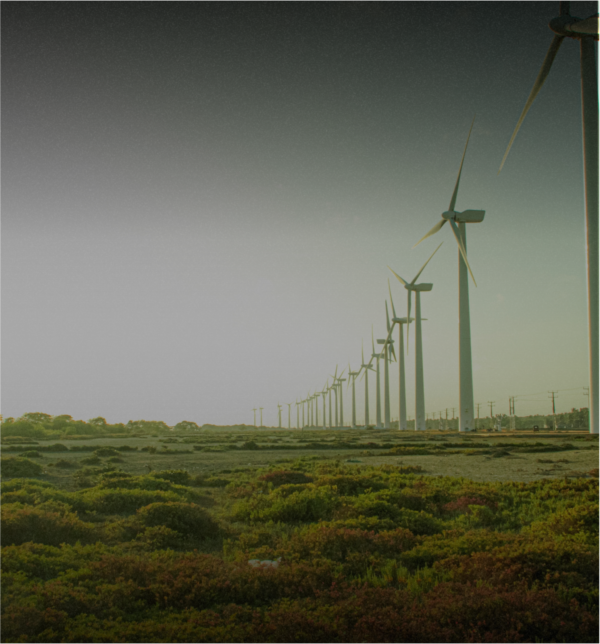
At COP28 in Dubai, as part of the outcome from the first Global Stocktake (GST1), governments agreed to two headline targets: tripling global installed renewable energy capacity and doubling the annual global rate of energy efficiency improvements, both by 2030. While meeting these targets would curb emissions from the power sector, it would not affect fossil fuel use in end-use sectors - transport, buildings and industry. Here, electrification is the dominant requirement.
Recognising this, the COP31 Presidency introduced the '35 by 35' initiative, which aims to boost the global electrification rate to 35% of final energy by 2035, from just over 20% currently. Electrification is not only critical for climate change - it also shields economies and societies from fossil fuel price volatility and improves energy security. Taken together, renewables and electrification cut fossil fuel use across the economy, with efficiency gains reducing the amount of energy needed versus a system where those gains are not made.
In this policy brief, we assess progress to date against the GST1 targets and against the proposed electrification target for COP31. We also compare progress and targets with benchmarks on a pathway that minimises overshoot and returns global warming well below 1.5°C by 2100.