Active
National fossil fuel phase-out pathways and benchmarks
Contacts
Funder
Share
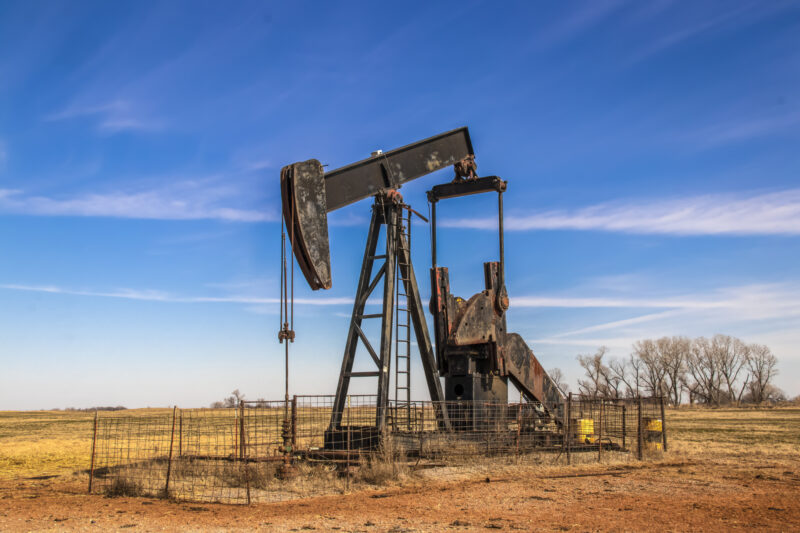
Fossil fuels are the main driver of climate change. A rapid, managed, and equitable phase-out of the production and use of coal, oil, and gas is essential to bring global CO2 emissions to net-zero by 2050 and set the world on a path back to well below 1.5°C by 2100.
That means ending new fossil fuel expansion and delivering steep declines in fossil fuel production and use this decade, so a fossil-free economy is achievable by advanced economies by 2050, and all other economies by 2070.
While global benchmarks can set the direction, countries have very different circumstances, dependencies, and starting points. In particular, some countries are heavily dependent on fossil fuel production to sustain government budgets, employment, and exports – particularly in developing and resource-dependent economies.
This project will develop national pathways for phasing out coal, oil, and gas production in line with 1.5°C for (list of countries). It will provide clear, science-backed production phaseout benchmarks and guide political debate and advocacy efforts.
It builds on our influential work defining coal and gas phaseout benchmarks for the power sector and complements our analysis translating the tripling renewables goal to the national level – a powerful action that only works to reduce emissions where matched with action to phase out fossil fuels.
For three Emerging Markets and Developing Economies, we will also develop country spotlights, which explore the fiscal and macro-economic impacts of reducing fossil fuel production in line with the produced pathways and what economic diversification strategies can be implemented to address these implications.
Explore our previous work on fossil fuel phase-out

Coal phase-out
Coal is the most carbon intensive fossil fuel - phasing it out is key to achieving the 1.5°C Paris Agreement goal. Most emissions from coal are in the electricity sector, so coal’s phase-out is relatively cheap and easy, as the technologies that can replace it already exist. Our research shows coal needs to be phased out globally by 2040 for the world to meet its climate commitments.

Gas phase-out
Fossil gas has long been marketed as a “bridge fuel” on the way to a cleaner energy system – a less-polluting alternative to coal. But this is a dangerous fallacy promoted by vested interests. Our research shows gas needs to be phased out globally by 2045 for the world to meet its climate commitments.