Active
Short lived climate pollutants and their role in limiting temperature overshoot
Contacts
Share
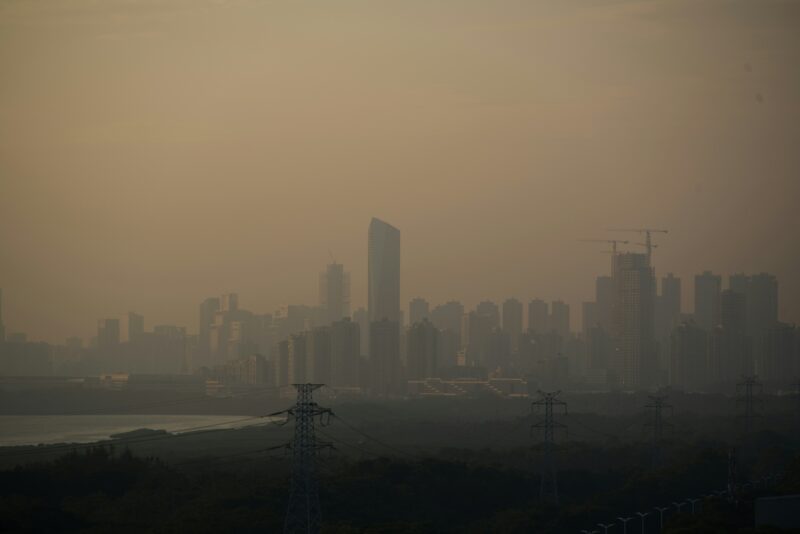
Short‑lived climate pollutants (SLCPs), including methane, black carbon, ozone precursors and hydrofluorocarbons, are significant drivers of near‑term warming and an important lever for minimising the scale and duration overshoot of the Paris Agreement’s 1.5°C temperature limit.
There is a pressing need for robust, evidence-based analysis to inform policymakers on the implications of varying levels of short‑lived climate pollutant mitigation. In particular, stakeholders require clarity on how faster or slower reductions of short‑lived climate pollutants could shape temperature pathways and the extent to which the magnitude and duration of the overshoot of 1.5°C can be limited.
Through scenario analysis and climate modelling, this project examines how changes to the pace and ambition of short‑lived climate pollutants mitigation influence peak warming, overshoot duration, and long‑term temperature outcomes, and how these effects compare to other mitigation levers.