Active
Reducing emissions in power and emissions-intensive sectors in the Balkans
Contacts
Funder
Partners
Renewables and Environmental Regulatory Institute (RERI) in Serbia, Regional Education and Information Centre for Sustainable Development in South-East Europe (REIC) in Bosnia and Herzegovina, Resource Environment Centre Albania (REC) in Albania
Share
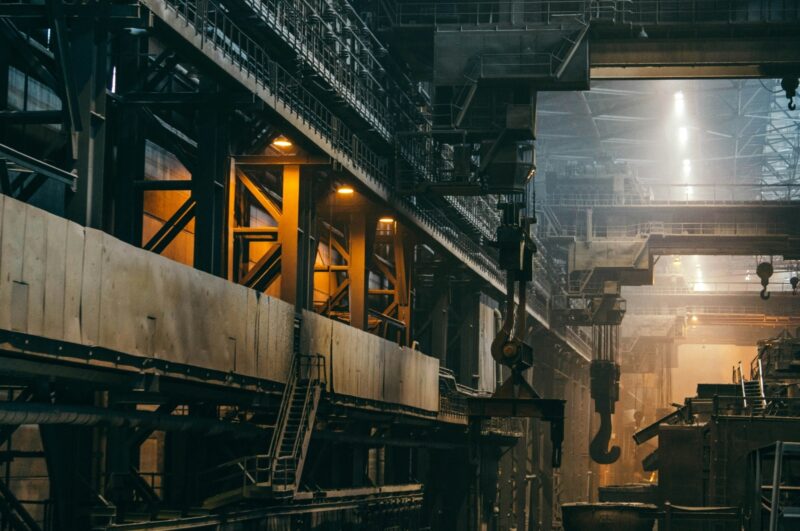
Bosnia and Herzegovina, Serbia and Albania are aiming to become carbon neutral by 2050. While their current energy and climate policies are not all compatible with the Paris Agreement’s 1.5°C temperature limit, their endorsement of the Green Agenda for the Western Balkans has aligned their ambitions to key elements of the European Green Deal.
This project aims to facilitate more ambitious climate policies in each country and to align these with existing EU regulations on climate neutrality – in particular, the European Union’s Emissions Trading Scheme and the Carbon Border Adjustment Mechanism. The ultimate objective is to assist these countries to reduce emissions from emissions-intensive sectors such as power, steel, cement, chemicals and aluminium.
The project has seen us devise approaches to economy-wide 1.5°C-aligned emission reduction pathways for each of the countries. We stress-tested them with policymakers, industry stakeholders and civil society groups through workshops, seminars and targeted interviews and facilitation of a community of experts in the region. Using our analyses, our in-country partners support civil society representatives in the formulation and monitoring of climate policies to enhance the policy processes.
1.5°C aligned pathways for Bosnia and Herzegovina, Serbia and Albania

Albania
This report is from the first workshop, held in April 2024, and includes stakeholder feedback.

Bosnia and Herzegovina
This report is from the first workshop, held in April 2024, and includes stakeholder feedback.

Serbia
This report is from the first workshop, held in April 2024, and includes stakeholder feedback.
The EU’s Carbon Border Adjustment Mechanism (CBAM) came into effect at the beginning of 2026, putting a price on carbon emissions from products made in non-EU countries and imported into the bloc.
Carbon-intensive goods covered by CBAM include electricity, cement, fertilisers, aluminium, iron, steel, and hydrogen. For exporters to avoid CBAM costs, they need to reduce the carbon intensity of the sectors covered by the regulation.
In a five-part series, we look at risk and resilience to the CBAM in the electricity, iron and steel, cement, chemical and aluminium sectors across Albania, Bosnia and Herzegovina, and Serbia. This work was produced through desk research, interviews and workshops with industry stakeholders across the three countries.
Decarbonising electricity, cement, iron and steel, chemicals and aluminium in Albania, Bosnia and Herzegovina and Serbia

Electricity

Iron and steel

Cement

Chemicals

Aluminium
Drawing on our own research and analyses from other organisations, we produced synthesis reports for each of the three countries in this project. For each, we distilled out recommendations for each on which sectors should be considered priorities in that country, and what policy options could deliver significant benefits.
Our in-country partners have translated the synthesis reports into the national language, for policymakers, civil society, businesses and others.
Navigating CBAM: Priorities and policy options for Albania, Bosnia and Herzegovina and Serbia

Albania
Synthesis report and recommendations for Albania

Bosnia and Herzegovina
Synthesis report and recommendations for Bosnia and Herzegovina

Serbia
Synthesis report and recommendations for Serbia