COP31’s ‘fantasy’ CCS target can’t blur clean energy reality
As COP31 discusses a global target for carbon capture deployment, analysis shows wind and solar avoided at least 65 times more CO2 emissions last year than CCS
Share
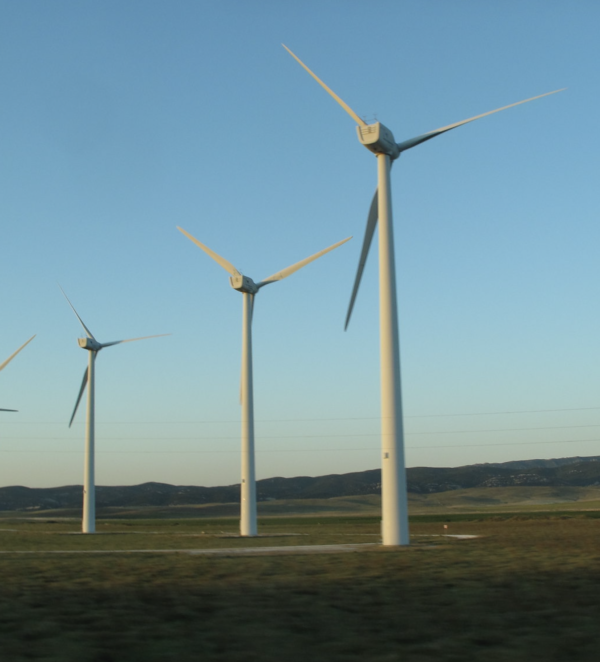
Wind and solar energy avoided at least 65 times more carbon dioxide from being emitted to the air than carbon capture and storage (CCS) last year, according to analysis by global science and policy institute Climate Analytics.
In total, since the year 2000, wind turbines and solar panels have avoided at least 35x more CO2 emissions than CCS.
The figures are certainly underestimates because the calculations assume that deployed CCS facilities operate at 100% of their theoretical annual capacity, whereas real-world operation falls significantly short of this figure, sometimes dropping as low as 20%.[1]
Wind and solar avoided emissions of 4.3 GtCO2 in 2025, while global CCS capacity stood at 62 MtCO2. Since 2000, wind and solar have avoided emissions of 27.7 GtCO2 in total.
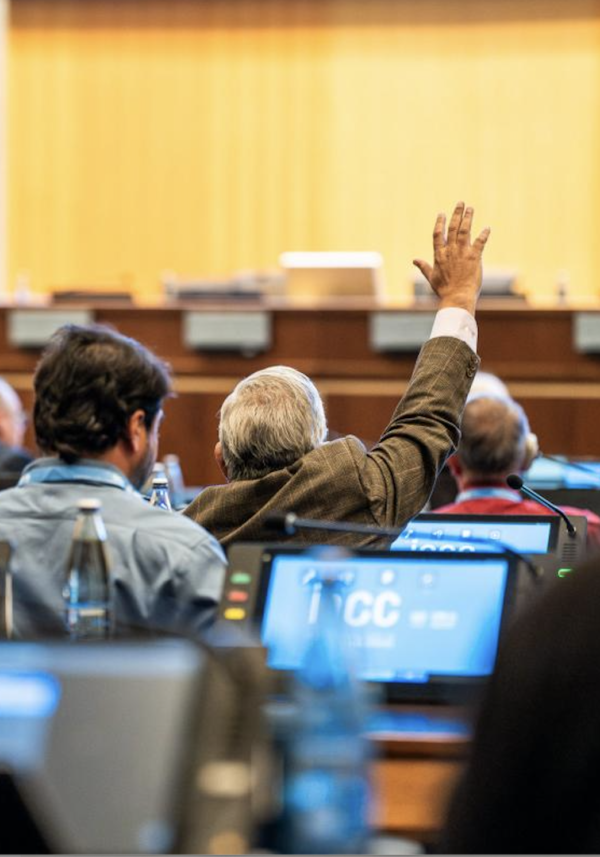
The analysis comes as delegates at COP31 in Antalya, Türkiye debate the inclusion of targets for CCS deployment in 2035.[2]
“Our analysis suggests that CCS is a bit-part player today and is likely to remain a bit-part player tomorrow,” said climate policy analyst Olivia Waterton.
“Wind, solar, batteries and electrified technologies are what the market wants to build – and in this case, the market is pretty clearly right as CCS is expensive, takes years to build and in many cases doesn’t work very well.”
From 2010 to 2025, the cost of onshore wind power fell by 71% and the cost of solar power fell 89%.[3]
By contrast a 2023 study on CCS found no evidence of any cost reduction in any component of a CCS system in the previous 40 years.[4]
The target proposed in the draft COP31 outcome text is 2.5 gigatonnes of carbon dioxide captured per year (GtCO2/yr) by 2035 – a 40-fold scale-up from current capacity.
“Fossil fuel-producing governments have long proposed that CCS should be treated as a core technology for tackling climate change, often under the mantra ‘it’s not about fossil fuels, it’s about emissions'; but it’s a fantasy argument based on fantasy economics,” said Climate Analytics CEO Bill Hare.
“There’s no place in the UN climate process for fantasy targets: climate change is an increasingly painful reality right across the world, and governments at COP31 have a responsibility to pursue what works and reject what doesn’t.”
ENDS
A high-resolution version of the graphic above is available for download here
A data file is available for download and use here
A methodology note is available for download here
References:
- IEEFA, 2022: The carbon capture crux – Lessons learned
- COP31 Cover Decision text, 2nd draft. NB the text uses the term CCUS rather than CCS – the U standing for ‘utilisation’ – but this does not affect the carbon capture volume proposed
- IRENA, 2026: Renewable power generation costs in 2025
- Baccilieri, Black & Way, 2023: Assessing the relative costs of high-CCS and low-CCS pathways to 1.5°C